Over the past three years, the official mandate across the SAP ecosystem has been firm: keep the core untouched. The Clean Core strategy was introduced as the ultimate solution to eliminate decades of technical debt built up from massive custom Z-code and non-standard modifications.
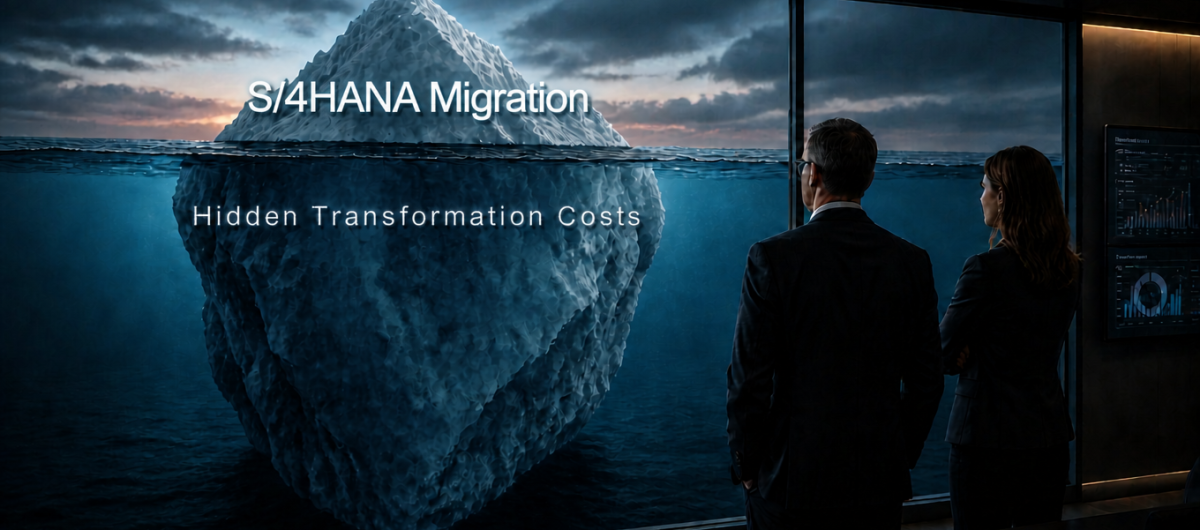
However, on the ground in 2026 projects, clients and consulting firms are hitting a financial wall that very few anticipated during presales.
The Custom Code Paradox: 20 Years of Heritage vs. BTP Budgets
The theory sounds seamless: move all custom logic outside the backend and integrate it in a decoupled way on SAP Business Technology Platform (BTP) using APIs and RAP/CAP frameworks.
The reality for the average client embarking on an S/4HANA conversion looks very different:
- Auditing the Past: System code inspections uncover hundreds of thousands of legacy ABAP lines accumulated since the R/3 era.
- The Refactoring Price Tag: Redesigning, rebuilding, and testing those mission-critical workflows on BTP under Clean Core rules frequently doubles or triples the technical migration budget.
- The Budget Dilemma: When funds fall short of rebuilding everything “by the book,” tension inevitably erupts in the steering committee.
The Consultant Trapped in No Man’s Land
At this crossroads, senior consultants find themselves caught between two opposing forces:
- Official Doctrine: Architecture guidelines demanding a 100% standard ERP to ensure seamless, automated updates.
- Client Pragmatism: IT Directors demanding operational business continuity on Go-Live day without exceeding their approved budget.
A consultant’s true value in 2026 is no longer stating “this can’t be done because it violates Clean Core”, but negotiating which custom developments warrant refactoring to BTP, which can be handled through in-app key user extensibility, and which must be ruthlessly decommissioned.
In your current projects, is Clean Core being enforced strictly, or are budget constraints forcing compromises with legacy Z-code?