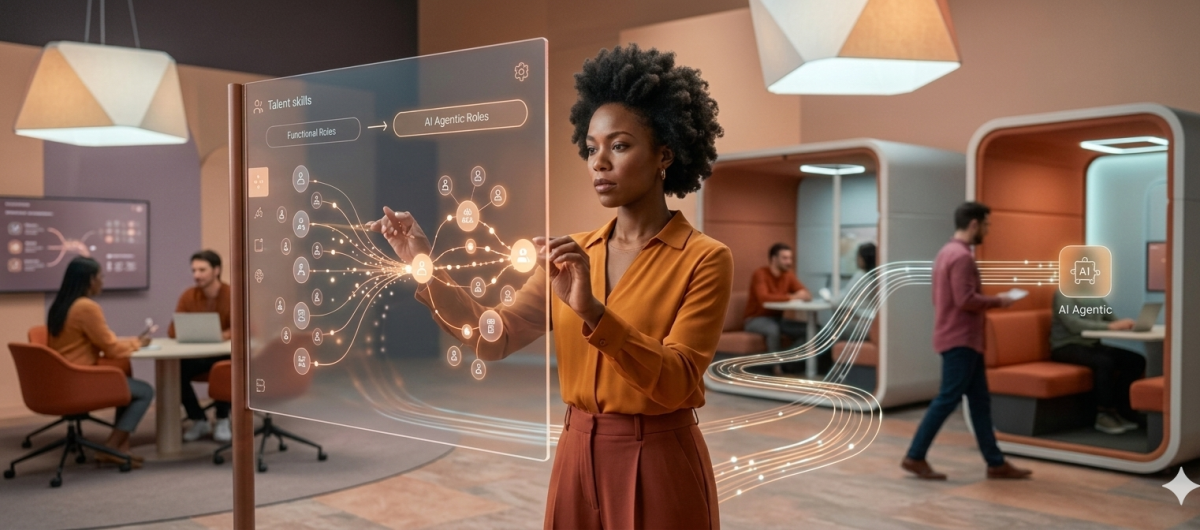
The close of the first quarter in March 2026 has brought a radical shift in strategy for major corporations and tech consultancies. After years of chasing outside talent, organizations are pivoting toward what analysts call Quiet Hiring 2.0. This isn’t just about dumping more work on current employees; it’s a massive deployment of AI to identify hidden skills and strategically move the workforce into high-priority roles—like managing autonomous agents—without ever opening an external job posting.
The Death of Traditional Recruiting
Between budget tightening and fierce competition for specialists, external hiring has become the last resort for many companies early this year. Businesses are now using talent mining tools to dig through technical histories, certifications, and actual performance data. The goal is to spot consultants with “adjacent skills” who can jump into Agentic AI projects immediately.
This phenomenon is flipping the script on professional value. Companies are no longer hunting for the “perfect” candidate on the open market; instead, they are betting big on mandatory reskilling for their own people. By cutting out the friction of external hiring, like long onboarding times and high acquisition costs—companies are achieving an operational agility that was unthinkable before, reshaping their internal structures in just a few weeks.
Data-Driven Internal Mobility
Unlike old-school job rotations, Quiet Hiring 2.0 relies on objective data and predictive modeling. Technology can now map a functional consultant’s potential to become an automated solutions architect based on their process logic, not just their past titles. This movement is redefining HR departments, turning them from “vacancy managers” into “dynamic capability managers.”
- Identifying “Dormant Skills”: Using algorithms to find technical competencies that aren’t listed on a traditional resume.
- Accelerated Retraining Programs: Intensive training for critical roles to clear the H1 2026 tech backlog.
- Optimizing Human Capital: Drastically reducing the need for outside headhunters for niche positions.
Experts are currently evaluating how this forced mobility might impact voluntary turnover rates if employees see these changes as a technical mandate rather than a growth opportunity. However, current metrics suggest that organizations using this smart internal mobility are closing their talent gaps much more efficiently than their competitors.
A New Paradigm for IT Professionals
This trend marks the end of the static career path. In the 2026 business world, professionals aren’t hired for a fixed role; they are part of a dynamic talent inventory. Companies have realized that the solidity of their digital infrastructure doesn’t depend on how many people they hire, but on their ability to move and evolve the knowledge they already have in-house.
the era of reactive recruiting is giving way to proactive, algorithmic talent management. Quiet Hiring 2.0 isn’t a temporary cost-cutting measure—it’s the new way of doing business. It’s a shift in how we understand human capital, where AI doesn’t just perform tasks; it decides who is the right person to lead the company’s next big tech leap.