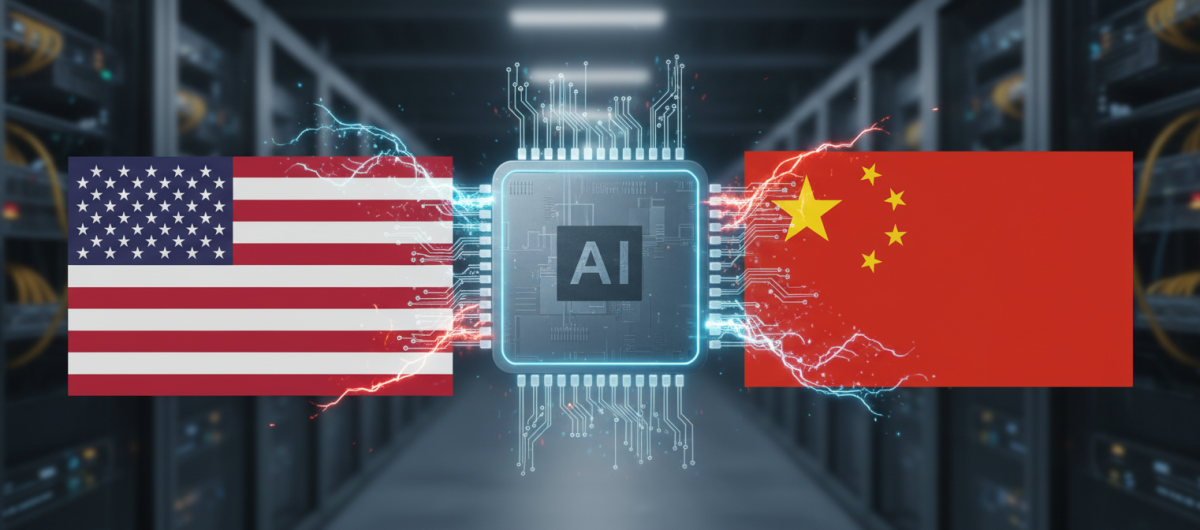
For years, the debate around advanced semiconductors felt like distant geopolitics—important, sure, but far removed from everyday operations. But in January 2026, the chip war has become very real for companies and IT teams: tariffs and trade restrictions aren’t just a “what if” anymore—they’re now directly affecting the cost and availability of AI chips.
The latest flashpoint is the U.S. decision to impose a 25% tariff on a specific group of advanced chips, including models like NVIDIA’s H200 and AMD’s MI325X, framed as a national security measure.
What Actually Changed in January 2026
The biggest shift isn’t just the tariff rate—it’s the logic behind it. This isn’t a blanket move against the entire semiconductor industry. It’s a targeted measure aimed at technologies considered strategically critical, based on technical criteria and real-world usage scenarios.
Meanwhile, global pressure is building fast. Reports also suggest that China may introduce rules limiting how many advanced chips its companies can import, potentially impacting products like the H200.
Why This Matters to IT (Beyond Politics)
For many organizations, AI initiatives were already limited by three things: compute capacity, energy consumption, and scalability. Now there’s a fourth factor in the mix: trade and regulatory risk.
In real terms, the impact shows up in very specific areas:
- Total infrastructure cost: if hardware prices jump, training and deployment costs jump too.
- Procurement planning: buying cycles get messier when pricing can shift overnight due to policy changes.
- Vendor negotiations: your options shrink when fewer equivalent alternatives are on the market.
This affects both major data center operators and mid-sized companies relying on systems integrators, hybrid cloud setups, or specialized partners.
The Domino Effect: Suppliers, Timelines, and Architecture
When advanced chips get squeezed, demand usually shifts to alternatives—or to different purchasing routes. That can tighten supply, drive up contract pricing, and in some cases force teams to rethink their architecture.
From an IT strategy standpoint, this tends to accelerate moves like:
- Rebalancing the mix between on-prem and cloud
- Prioritizing workloads instead of defaulting to GPUs
- Designing projects with tighter control over cost per use
- Diversifying vendors and platforms to avoid over-dependence on a single supply source
How much of the tariff gets passed along to companies outside the U.S. will depend on contract terms, distribution channels, and where the purchase happens—so it’s worth reviewing case by case.
The New Priority: AI Supply-Chain Resilience
Until now, most AI strategies focused on models, data, and talent. In 2026, there’s another reality: if you don’t have supply-chain resilience, your AI roadmap can get fragile fast.
The chip war isn’t just a story about governments and chipmakers anymore. It’s now a practical business variable—because it impacts what IT teams can deploy, what it costs, and how predictable lead times really are.