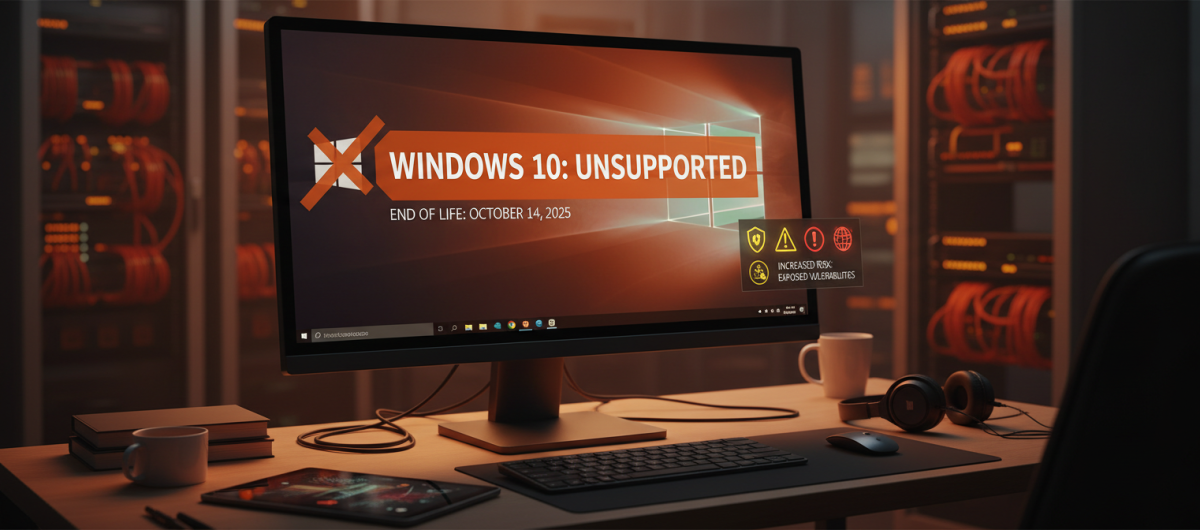
The end of support for Windows 10 on October 14, 2025 has become a defining moment for thousands of organizations still relying on the operating system. With standard security updates discontinued, businesses now face higher operational costs and a significantly expanded security risk surface. Just sixty days later, the consequences of this change are already reshaping IT planning and budget strategies across the corporate landscape.
How the End of Support Changes Enterprise IT Strategy
For nearly ten years, Windows 10 served as the dominant operating system in business environments. With its free support lifecycle now over, many organizations are turning to Microsoft’s Extended Security Updates (ESU) program. ESU offers critical security patches, but it also introduces a recurring, per-device cost that increases annually.
For finance and IT leaders, continuing to run devices that cannot upgrade to Windows 11 is no longer a technical preference—it’s a budget decision with long-term implications.
Beyond hardware upgrades, this shift affects broader investment planning. Operating an unsupported OS creates technical debt, which directly impacts reliability, security, and overall business continuity.
A High-Risk Window: Sixty Days of Increased Vulnerability
The cybersecurity impact of the Windows 10 end of support is immediate. Experts warn that once updates stop, attackers often analyze patches released for supported systems—such as Windows 11—to identify vulnerabilities that remain exposed in older versions.
Without automated security updates (unless covered under ESU), any Windows 10 device on a corporate network becomes a potential attack vector. This raises direct concerns for enterprise cybersecurity, as well as for regulatory compliance frameworks where patching and system maintenance are mandatory controls.
Frameworks such as ISO/IEC 27001 and regulations like the GDPR require organizations to maintain secure, up-to-date systems. Using unsupported software undermines these obligations and may increase the risk of sanctions following a security incident.
Why the Risk Is Higher for Businesses in Spain
In Spain, the impact is intensified by two factors:
- A large number of small and midsize businesses still depend on hardware that does not meet Windows 11 requirements.
- The National Security Framework (ENS) mandates the use of updated, secure technologies in the public sector and among its service providers.
Running Windows 10 without support can compromise ENS compliance and heighten exposure under GDPR if a data breach occurs. These combined risks are pushing organizations to accelerate their Windows 11 migration strategies to avoid operational, legal, and reputational consequences.
Key Actions for Companies Still Using Windows 10
Organizations that continue operating on Windows 10 should take immediate steps to reduce exposure while planning their migration:
- Enroll in Microsoft ESU as a temporary measure to receive critical security updates, understanding that it involves an annual per-device cost depending on licensing agreements.
- Segment or isolate Windows 10 devices to contain potential threats and reduce lateral movement across networks.
- Upgrade incompatible hardware, particularly systems lacking TPM 2.0, to eliminate existing technical debt and meet Windows 11 requirements.
A Security Turning Point for 2026
The end of support for Windows 10 is more than a routine product milestone—it represents a fundamental shift in enterprise cybersecurity. Organizations that delay migration face increased risks, higher operating costs, and potential compliance challenges. Moving to a supported and secure environment is now an essential step to protect business infrastructure and prepare for the cybersecurity demands of 2026.